You Can’t Bank Sleep: Why Driver Hours Matter More Than You Think
We get it—everyone loves convenience. Early morning airport drop-offs, late-night pickups after events, and full-day excursions are all part of what makes a smooth travel experience. But when it comes to passenger transport, there’s one thing that trumps convenience every time: safety. And that safety starts with our drivers.
You might have heard us say from time to time: “Sorry, the driver is out of hours.” We know it can be frustrating. But this isn’t a matter of personal preference, red tape, or “making things difficult.” It’s about legal requirements, human biology—and our absolute commitment to the wellbeing of both our team and the passengers we serve.
Sleep Doesn’t Work Like a Bank Account
In New Zealand, commercial drivers must follow strict rules set out by Waka Kotahi NZ Transport Agency. These are not suggestions—they are legally enforceable and come with serious consequences if ignored.
Here’s a quick overview of the key legal limits for passenger service vehicle (PSV) drivers:
Maximum of 13 hours of work time in a cumulative 24-hour period
At least 10 continuous hours off duty before starting a new work period
At least 30 minutes of rest after 5.5 hours of work time
No more than 70 hours of work in any cumulative 7-day period without a mandatory 24-hour rest break
If a driver exceeds any of these limits, they must stop driving, no matter how close the destination might be.
The Science of Driver Fatigue
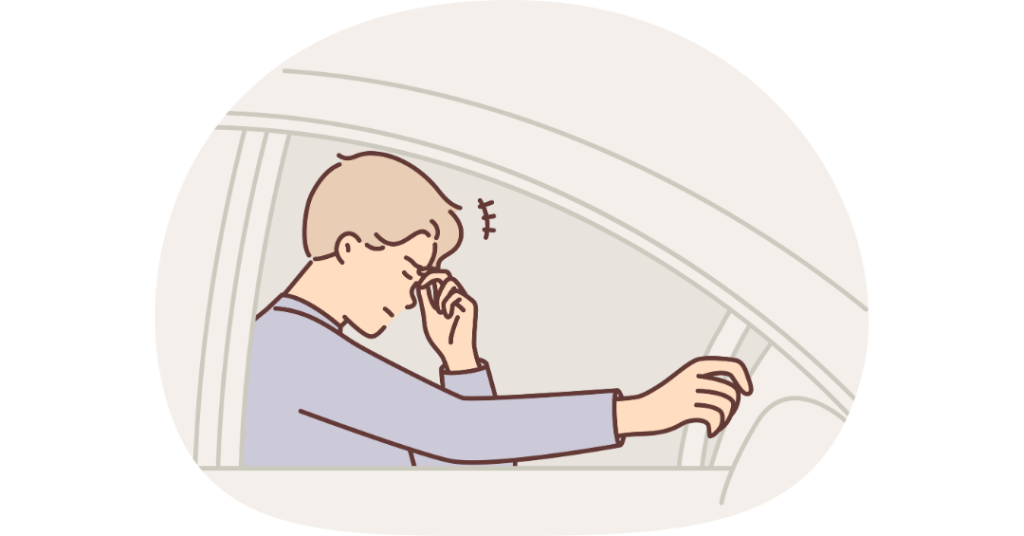
Fatigue is one of the most under-recognised dangers on our roads. It’s estimated to be a factor in at least one-third of road crashes in New Zealand. Driving while tired can be as dangerous as driving under the influence of alcohol.
Unlike mechanical faults, fatigue doesn’t come with warning lights. But the effects are just as real:
Slower reaction times
Difficulty concentrating
Blurred vision or frequent blinking
Drifting between lanes
Poor decision-making
When a driver is tired, they’re not just putting themselves at risk—they’re endangering everyone else on the road, including you and your passengers.
Why “Out of Hours” Isn’t Optional
When we say a driver is out of hours, we’re not being difficult or inflexible. We’re adhering to the law, protecting our team, and respecting the very real human limits of safe driving.
Yes, that might mean we can’t offer a 2:30am transfer. Or that we can’t squeeze in an extra service on an already packed schedule. But would you want your clients—or your loved ones—in a vehicle with someone who’s operating on dangerously low energy, with impaired focus and delayed reflexes?

Planning Ahead: A Partnership in Safety
For travel agents, travel managers, and clients booking services, the best thing you can do is plan ahead. We’ll always do our best to be flexible, but safe and legal scheduling means:
Giving realistic turnaround times between services
Understanding that breaks and rest periods are not optional
Factoring in road conditions, traffic, and delays that can impact driving hours
Being open to split services or multi-driver shifts for longer excursions
We’re more than happy to work with you to build itineraries that keep both passengers and drivers safe.

At the End of the Day…
Our business is built on reliability—but it’s sustained by trust. When we say a driver is off the road because of hours, we’re honouring that trust. We’re saying: “We care about doing this right.”
The rules exist for a reason. Fatigue kills. And we refuse to let that be part of our story—or yours.
Let’s keep working together to create travel experiences that are not only efficient and enjoyable, but also responsible and safe.